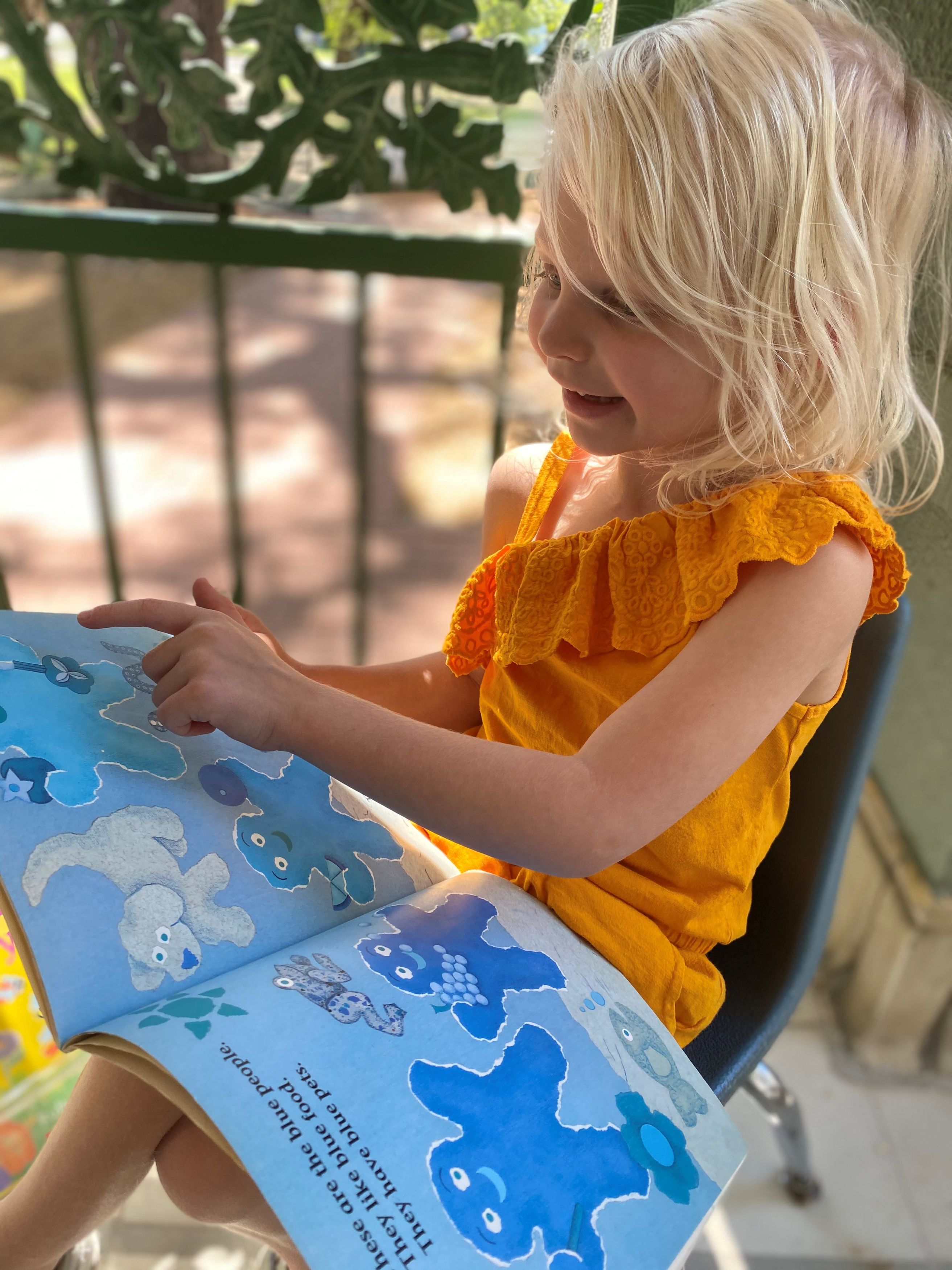
What Learning Looks Like at The Acorn
We believe children learn best when they are actively engaged, deeply connected, and encouraged to wonder. Our curriculum is thoughtfully shaped by research-based educational and child development philosophies that recognize children as capable, curious, and creative learners.
Drawing from the work of Jean Piaget, Erik Erikson, Lev Vygotsky, and Howard Gardner, our classrooms provide opportunities for children to explore through hands-on experiences, develop confidence and independence, learn through relationships, and discover their unique strengths.
From preschool through second grade, students are guided by caring teachers who create meaningful learning experiences that honor each child's developmental stage while inspiring a lifelong love of learning.
Jean Piaget: Learning Through Hands-On Discovery
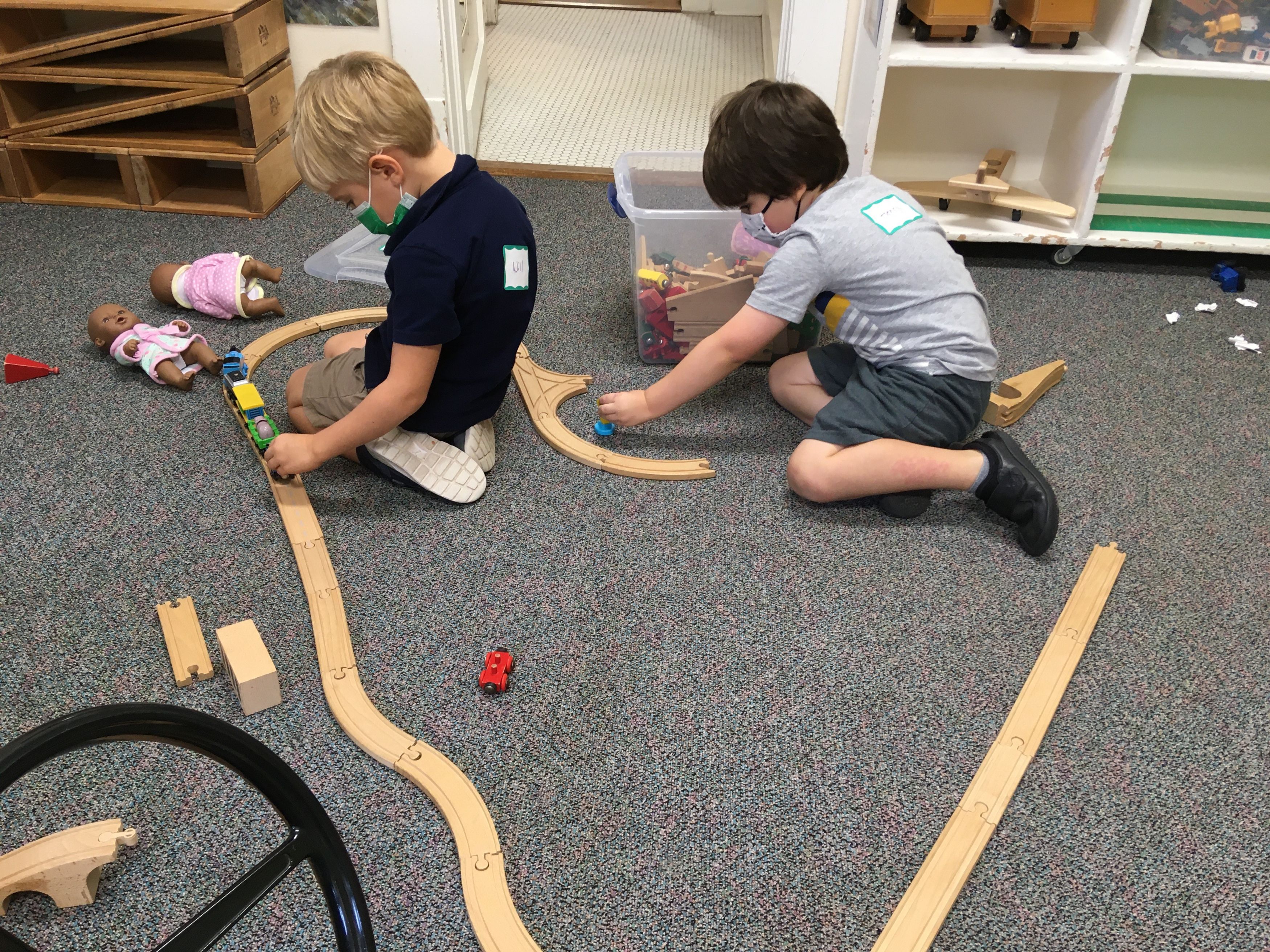
Piaget understood that young children learn by doing and experimenting, not by listening. He believed children learn by exploring, experimenting, asking questions, making mistakes, and gradually building a more complex understanding of the world.
Erik Erikson: Building Autonomy and Initiative
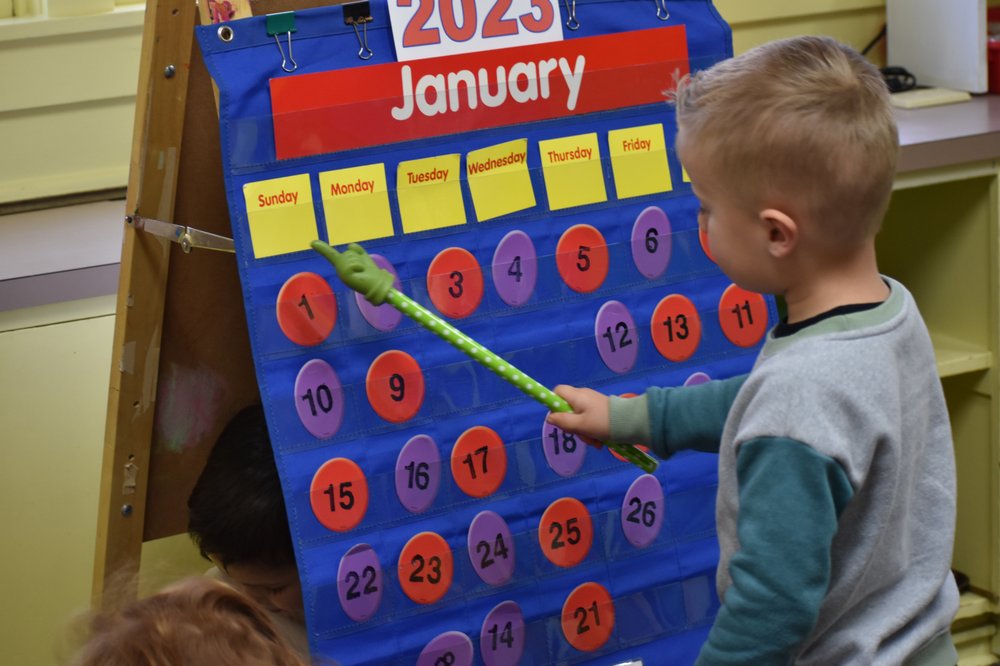
Erikson believed that young children develop confidence, independence, and a sense of purpose when they are encouraged to make choices, explore new ideas, and take initiative in their learning.
Lev Vygotsky: Learning Together and Through Language
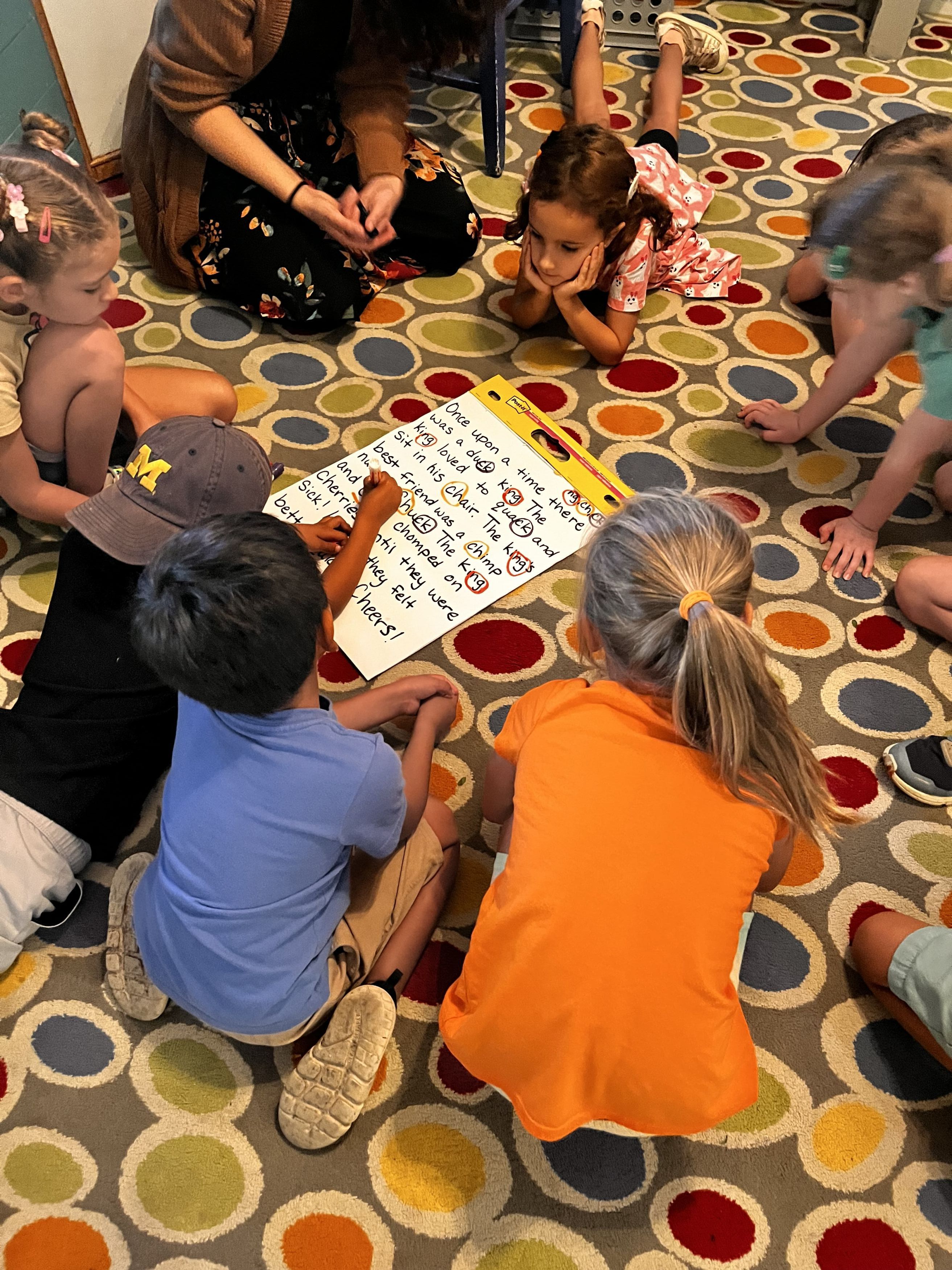
Vygotsky believed children learn best through social interaction and guided discovery. When a child works alongside a peer or teacher, hears language modeled, and practices talking about their thinking, learning deepens.
His theory emphasizes the Zone of Proximal Development (ZPD)—the difference between what children can do independently and what they can accomplish with guidance—and scaffolding, where teachers provide support that is gradually removed as children become more independent.