
Children learn through meaningful experiences that connect curiosity, play, nature, and academic discovery. Our private school programs in San Antonio—from Preschool and Kindergarten through 1st and 2nd Grade at Tall Oaks—give children opportunities to explore ideas, solve problems, create, collaborate, and build strong academic foundations.
We believe children learn best when they are actively involved in the world around them. Our approach is grounded in developmentally appropriate practice and a deep respect for childhood. We give children the time and space to explore while providing thoughtful guidance from teachers who know them well.
Guiding Principles in Action
Play-Based Learning
.jpg)
At The Acorn, play is not something children earn after completing their “real” work. Play is the work.
A dramatic-play grocery store can become an opportunity to write shopping lists, count money, compare quantities, practice conversation, and negotiate roles. A block-building project can involve measurement, balance, geometry, planning, collaboration, and persistence. A simple game can strengthen number sense, memory, listening, and self-regulation.
Just as importantly, play gives children the freedom to imagine. They can become architects, explorers, veterinarians, shopkeepers, scientists, authors, builders, or anything else their minds can imagine. Through these experiences, children develop confidence in their ability to create, solve problems, try again, and figure things out.
We protect time for meaningful play because we know that children who have opportunities to play deeply are developing much more than academic skills. They are learning how to think, communicate, collaborate, and approach the world with confidence and curiosity.
Our Nature Playscape
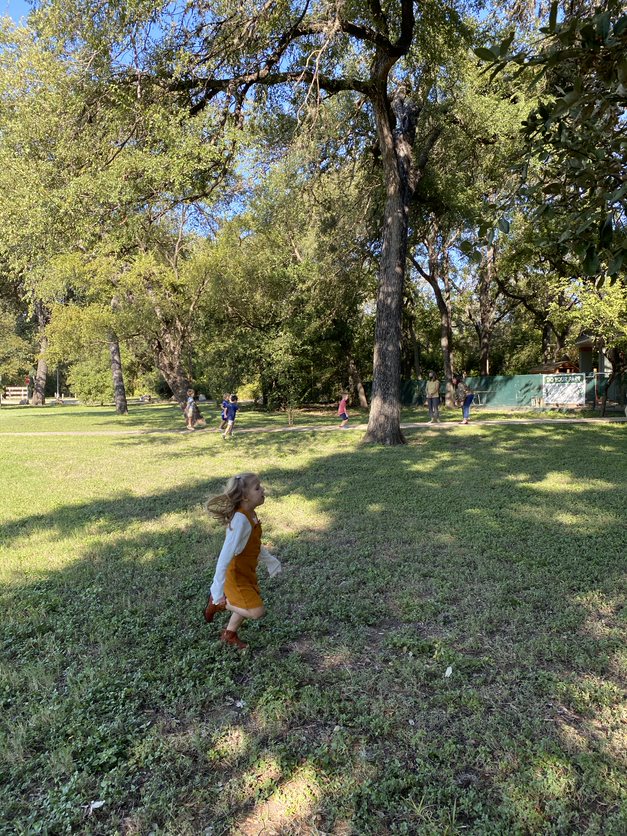
Nature is not simply the setting for recess. It is part of the curriculum.
Our natural playscape provides children with opportunities to climb, dig, balance, build, collect, observe, imagine, and explore. Trees, rocks, logs, plants, soil, water, and open spaces become materials for discovery. A child might search for insects beneath a log, build a structure from sticks, observe how shadows change throughout the day, or turn a fallen branch into part of an elaborate imaginary world.
Outdoor experiences support the whole child. Children develop strength, coordination, balance, and spatial awareness while also developing independence, confidence, creativity, and problem-solving skills. Nature encourages children to slow down, notice details, ask questions, and become comfortable with uncertainty.
The natural world also provides something that no worksheet can offer: an ever-changing environment to investigate. Weather changes. Plants grow. Animals appear and disappear. Water moves. Seasons transform the landscape.
Concrete Experiences Come First
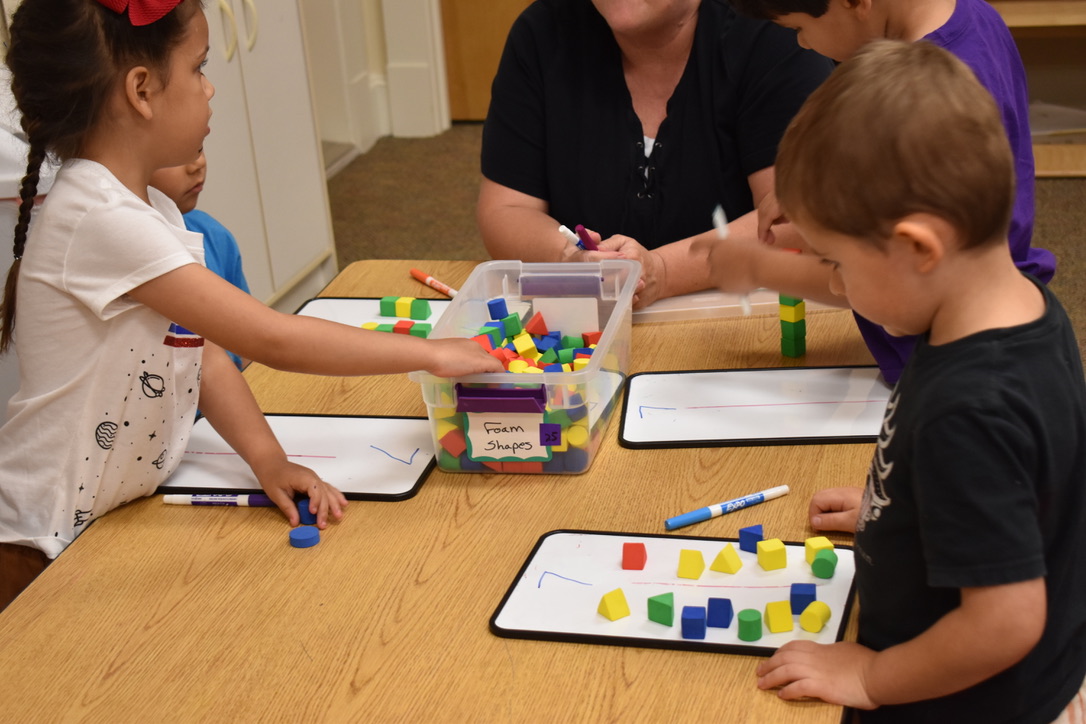
Young children understand the world through their senses and through direct experience. Before an idea becomes abstract, children need opportunities to touch it, move it, build it, observe it, and experience it for themselves.
Mathematics might begin with a pile of rocks, a collection of acorns, or a tower of blocks. Children count, sort, compare, measure, estimate, and solve problems using materials they can physically manipulate.
A child who takes five steps forward and three steps backward is experiencing subtraction with their whole body before ever seeing the equation 5 − 3.
The same philosophy extends across the curriculum. Children may measure ingredients while cooking, observe changes in plants as they grow, use natural materials to create patterns, act out a story, or physically map a route around the playground.
These experiences give children a meaningful foundation for the abstract concepts they will encounter as they grow.
Child-Driven Inquiry
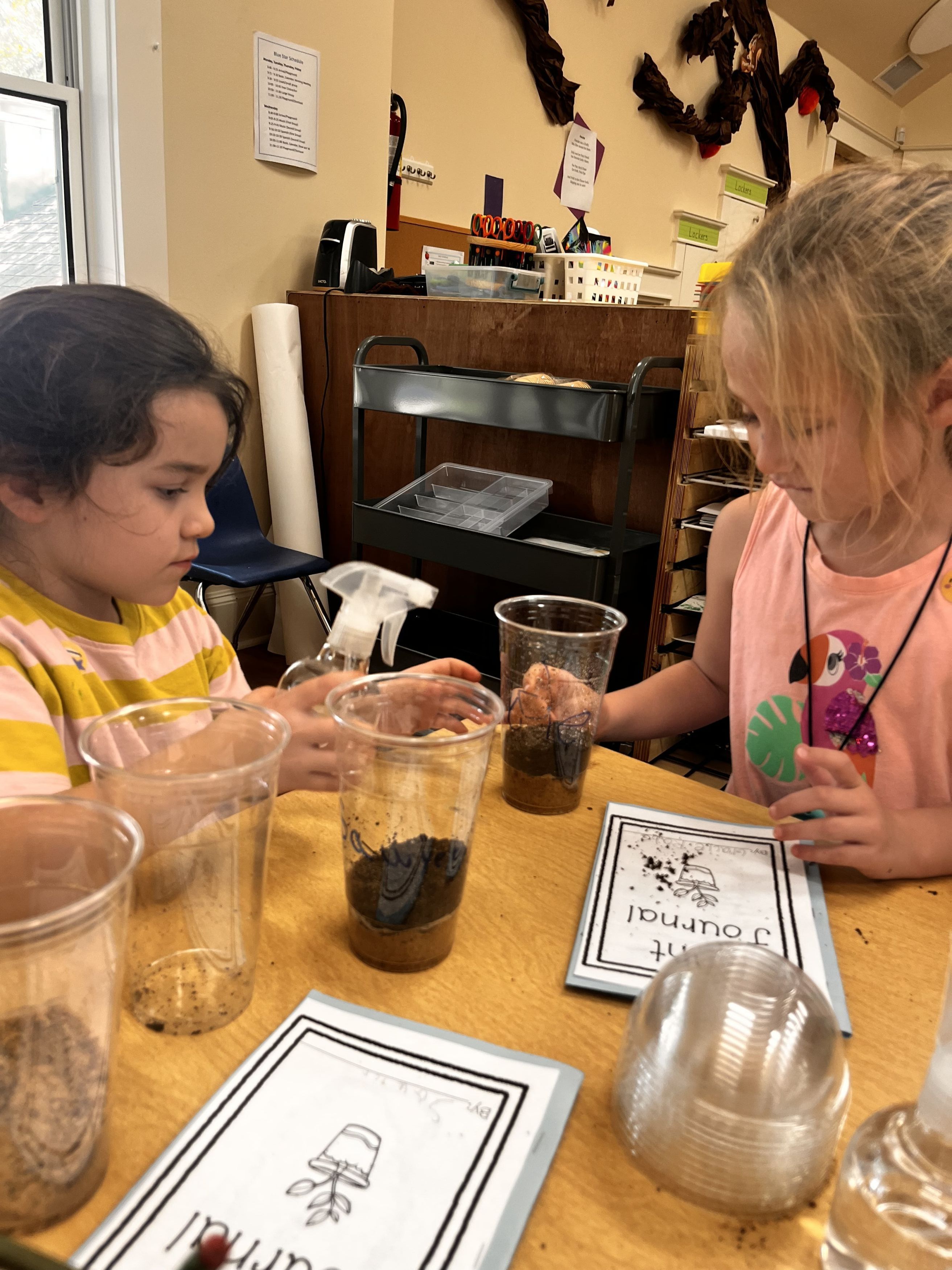
Children arrive at school with an extraordinary capacity to wonder. A question that may seem small to an adult can become the beginning of a remarkable investigation for a child.
A spontaneous discovery can become an opportunity for children to develop skills across multiple areas of learning while pursuing something that genuinely interests them.
Teachers serve as guides and partners in this process. We listen carefully to children's questions, notice what captures their attention, and help them find ways to investigate their ideas.
Sometimes the teacher knows the answer; sometimes the class discovers the answer together.
Time for Deep Exploration
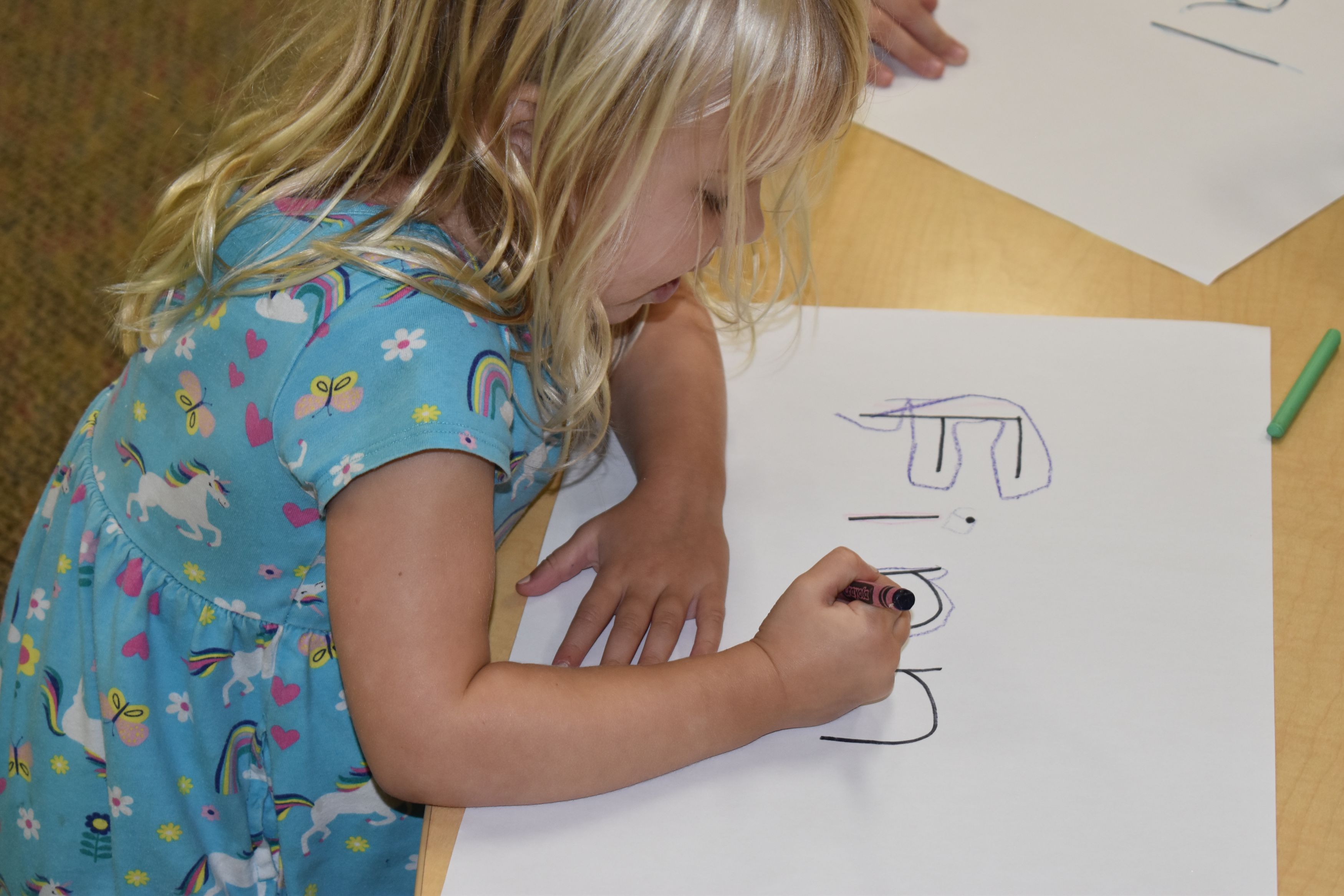
Children do not all learn in the same way or at the same pace. Some children need more time with a new concept, while others are ready to extend an idea much further. Small-group learning allows our teachers to recognize these differences and respond thoughtfully.
Much of the learning at The Acorn happens in small groups, individual conversations, and hands-on experiences. These smaller settings allow teachers to listen closely, ask meaningful questions, provide support when needed, and challenge children when they are ready to go further.
A child who is working on letter sounds may have additional opportunities to practice through games, stories, writing, and conversation. Another child may become deeply engaged in designing a structure, testing whether it can stand, identifying what went wrong, and trying again. Both children are learning—and both deserve the time to stay with their thinking.
We value depth over hurry.
Theme-Based Learning
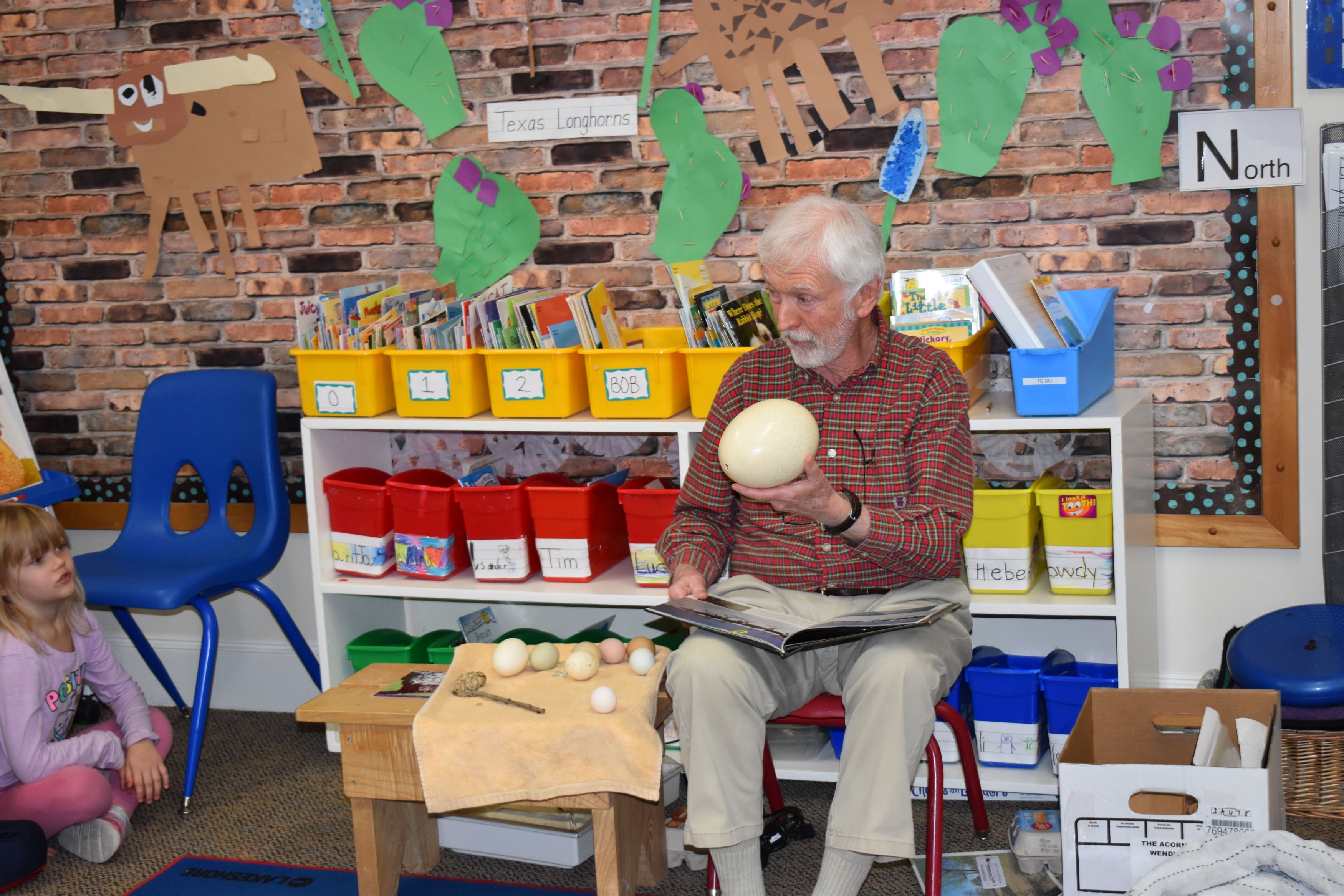
Children understand ideas more deeply when they can connect them to something meaningful. Our theme-based approach allows children to explore a topic from many different perspectives rather than learning individual subjects in isolation.
A theme such as Bugs & Habitats might inspire children to observe insects outdoors, read nonfiction books, create scientific drawings, count and classify insects, write stories, build habitats, and learn new vocabulary. Water & Weather might lead to experiments with floating and sinking, measuring rainfall, studying clouds, creating artwork, reading stories, and recording observations.
Through these experiences, reading, writing, mathematics, science, art, and social learning naturally intersect. Children begin to see that knowledge is connected—that mathematics can help us understand science, that writing can help us communicate an idea, and that art can help us represent something we have observed.
Themes also provide opportunities for children to return to an idea again and again. Each new experience builds on what came before, allowing understanding to grow over time.
Learning That Grows with Your Child
Preschool
Our Preschool program gives young children time to play, explore, create, build relationships, and develop the foundations for future learning.
Kindergarten
Kindergarten builds on children's natural curiosity while introducing strong academic foundations, growing independence, creativity, and deeper exploration.
Tall Oaks Grade School
At Tall Oaks, our 1st and 2nd Grade students continue the Acorn approach through strong academics, hands-on projects, outdoor learning, and meaningful connections to the world around them.